
Uncertainty has become the defining condition of modern business.
Market volatility, rapid technological shifts, geopolitical tension, and changing workforce expectations have made long-term predictability increasingly rare.
In this environment, traditional competitive advantages—speed, scale, or capital—are no longer sufficient on their own.
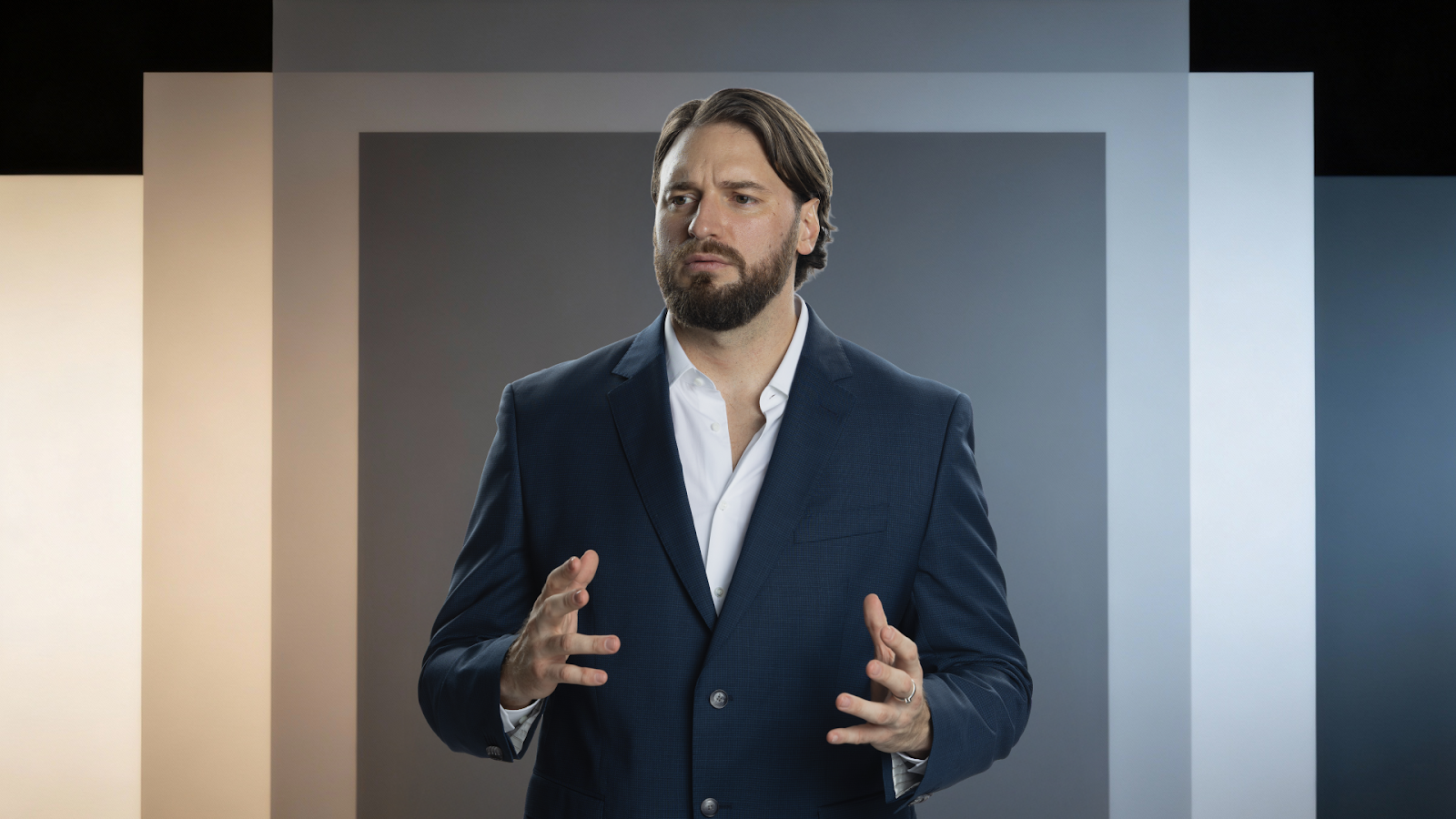
According to Alessio Vinassa, serial entrepreneur, advisor, and leadership mentor, one asset is emerging as decisive for the next decade: trust.
“When markets are unstable, trust becomes the most stable currency a leader can hold,” Vinassa says. “It’s what allows organisations to move forward when certainty is unavailable.”
Why trust matters more when certainty disappears
In stable conditions, trust is often taken for granted. Processes work, forecasts hold, and expectations are predictable.
In uncertain markets, however, every assumption is tested. Employees question leadership direction, customers become cautious, and partners reassess risk.
Vinassa argues that trust is what holds systems together during these moments.
“People don’t need leaders who have all the answers,” he explains. “They need leaders they believe will act with integrity when the answers aren’t clear.”
Trust reduces friction. It accelerates decision-making, preserves morale, and sustains collaboration even when outcomes are unclear.
Trust as a strategic asset, not a soft skill
Many organisations still treat trust as a cultural value rather than a strategic lever. Vinassa believes this is a mistake.
“Trust is not a sentiment—it’s infrastructure,” he says. “Without it, every strategy becomes harder to execute.”
When trust is present:
Teams align faster
Change initiatives face less resistance
Feedback flows more openly
Stakeholders extend patience during transitions
In uncertain markets, these advantages compound.
Transparency builds credibility before confidence exists
One of the most effective trust-building tools, according to Vinassa, is transparency—especially when leaders don’t yet have solutions.
“Silence creates anxiety,” he notes. “Honest communication creates stability.”
Leaders who openly acknowledge uncertainty signal confidence in their people rather than fear of exposure. This honesty builds credibility long before results materialise.
Vinassa emphasises that transparency does not mean oversharing—it means clarity of intent, consistency of messaging, and alignment between words and actions.
Consistency is the backbone of trust
Trust is rarely lost through a single decision. More often, it erodes through inconsistency.
“People don’t expect perfection,” Vinassa explains. “They expect predictability in values.”
In uncertain markets, leaders are often forced to adapt strategies quickly. What must remain stable are principles: how decisions are made, how people are treated, and how accountability is handled.
Consistency in values allows flexibility in execution without destabilising trust.
Trust enables speed, not caution
Contrary to popular belief, trust does not slow organisations down—it enables speed.
“When trust exists, leaders don’t need to micromanage,” Vinassa says. “Teams move faster because they’re empowered, not constrained.”
In volatile environments, the ability to act decisively is critical.
Trust reduces the need for excessive approvals, defensive documentation, and internal politics that delay action.
Trust with customers and markets
External trust is just as critical as internal trust. Customers and partners are more likely to stay engaged with organisations that demonstrate reliability during disruption.
Vinassa points out that brands that communicate clearly, honour commitments, and prioritise long-term relationships often emerge stronger from periods of uncertainty.
“Markets forgive mistakes,” he says. “They don’t forgive evasiveness.”
Leadership accountability in uncertain times
Trust is reinforced when leaders take responsibility—not just for successes, but for misjudgments.
“Accountability is trust made visible,” Vinassa notes.
Leaders who own outcomes signal maturity and stability.
This behaviour sets the tone for the entire organisation, encouraging openness and continuous improvement rather than blame avoidance.
Preparing for the next decade
Looking ahead, Vinassa believes that trust will increasingly differentiate leaders and organisations.
“The next decade will reward leaders who understand that trust compounds,” he says. “It lowers risk, attracts talent, and sustains relevance.”
In a world where change is constant, trust becomes the anchor that allows innovation, growth, and resilience to coexist.
For more information on Alessio and his work, visit his website or follow him across social media, including Facebook, Instagram, LinkedIn, X, Youtube, and Medium.
The post Alessio Vinassa on building trust in uncertain markets: a leadership imperative for the next decade appeared first on Invezz
